
Drawing Canvas Tools
Drawing Canvas
Create beautiful drawings with various tools and styles
Drawing Modes
Drawing Ideas
Welcome to the wonderful world of creative expression! Whether you are just starting your artistic journey or you are a seasoned creator looking for fresh inspiration, understanding the right drawing canvas tools and techniques is essential. Drawing is more than just putting marks on paper; it is a way to communicate feelings, tell stories, and capture the beauty of the world around us. In this guide, we will explore everything from finding the perfect drawing ideas to mastering specific styles like pencil art and character sketches, ensuring you have the knowledge to create something truly special.
Finding Inspiration: Creative Drawing Ideas and Techniques
The most common hurdle for any artist is the blank page. Finding fresh drawing ideas doesn’t have to be a struggle. Look around your immediate environment—the way light hits a coffee mug, the intricate patterns on a leaf, or the silhouette of a city skyline. Inspiration is everywhere if you know how to look for it.
To keep your creativity flowing, try these simple methods:
Daily Prompts: Use word association games to spark a concept.
Nature Walks: Observe textures, shadows, and shapes in the outdoors.
Digital Galleries: Look at what other artists are creating to understand different perspectives.
When you engage in drawing art, you are practicing a form of mindfulness. It allows you to focus on the present moment. Don’t worry about perfection in the beginning; focus on the “flow.” Experiment with different drawings to see what resonates with your personal style. Whether it’s abstract patterns or realistic landscapes, the goal is to keep your hand moving and your mind open to new possibilities.
Exploring the Basics: Easy Drawing and Simple Techniques for Beginners
If you are new to the craft, starting with drawing easy subjects is the best way to build confidence. You don’t need to dive into complex anatomy right away. Start with basic geometric shapes—circles, squares, and triangles. These shapes are the building blocks of almost everything you see. By combining them, you can create simple drawing projects that look professional without being overwhelming.
For those who want to practice without pressure, here are a few “easy” starting points:
Doodling: Spend ten minutes a day just scribbling or making patterns.
Still Life: Draw a single fruit or a book on your desk.
Outlining: Focus on the edges of objects before filling in the details.
The beauty of a simple drawing lies in its clarity. You don’t need a hundred different tools to make an impact. A single pencil and a clean sheet of paper are often enough to produce stunning drawing pictures. Remember, every master artist started with these same basic steps. Consistency is the key to turning a hobby into a skill.
Mastering the Medium: The Art of Pencil Sketches and Shading
One of the most versatile forms of expression is drawing art pencil. The humble pencil offers a range of values—from the lightest silver to the deepest charcoal black. Mastering the pencil requires an understanding of “lead grades.” Soft pencils (B grades) are perfect for dark shadows and blending, while hard pencils (H grades) are ideal for technical lines and light outlines.
When you are drawing a sketch, focus on the following elements:
Pressure Control: Learn how hard to press to achieve different shades.
Cross-Hatching: Use intersecting lines to create depth and texture.
Blending: Use a blending stump or even a soft cloth to smooth out your graphite transitions.
A drawing sketch is often the foundation for a more detailed piece of art. It allows you to map out proportions and lighting before committing to final lines. This stage is where you solve the “problems” of your composition. By using high-quality pencils and a sturdy canvas or paper, you can elevate a quick study into a professional-looking piece of drawing art.
Capturing Character: Tips for Drawing a Girl and Human Anatomy
Character illustration is a favorite among many artists, particularly drawing art girl portraits. Capturing the human form requires a mix of technical knowledge and emotional intuition. Start by understanding the basic proportions of the face—where the eyes sit in relation to the ears, and how the nose aligns with the mouth.
Key tips for character-focused art:
Focus on the Eyes: The eyes are the “windows to the soul” in any portrait. Spend extra time getting the expression right.
Hair Texture: Don’t draw every single strand. Instead, think of hair as large shapes with highlights and shadows.
Postures: Even in a simple sketch, the way a character stands or sits tells a story.
When you are creating drawings of people, it’s helpful to use references. Look at photos or even a mirror to see how muscles move and how skin reacts to light. Practice drawing anything from different angles to improve your spatial awareness. Over time, you will find that your ability to capture personality through your pencil becomes more natural and fluid.
Expanding Your Horizons: Drawing Anything on Any Canvas
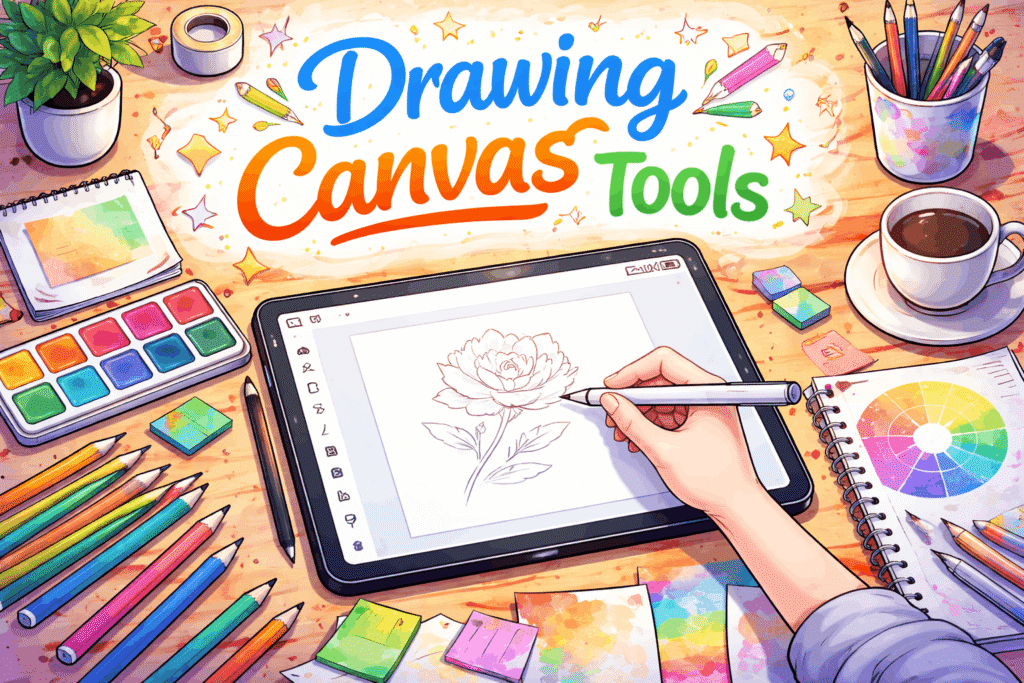
The ultimate goal of an artist is the freedom to engage in drawing anything that comes to mind. This requires versatility. You shouldn’t feel limited to just one subject or one type of paper. From digital tablets to textured canvas boards, the tools you choose will influence the final look of your drawing pictures.
To become a well-rounded artist, consider experimenting with:
Mixed Media: Combine pencil with watercolor or ink for a unique look.
Different Surfaces: Try drawing on toned paper (tan or gray) to see how it makes your highlights pop.
Scale: Move from small sketchbook entries to large-scale canvas pieces.
The process of drawing art is a lifelong journey. There is always a new technique to learn or a new medium to explore. Whether you are doing a simple drawing of a flower or a complex drawing art girl portrait, the act of creation is what matters most. Use your tools to express your unique perspective, and don’t be afraid to make mistakes—they are often the best teachers in the world of art.
FAQs: Common Questions About Drawing Tools and Techniques
Q1: What are the best tools for a beginner starting with simple drawing?
For beginners, a set of graphite pencils (HB, 2B, and 4B), a high-quality eraser, and a sketchbook with slightly textured paper are the best starting points. These tools allow you to practice both drawing easy shapes and more detailed drawing art pencil techniques without a large financial investment.
Q2: How can I come up with new drawing ideas when I have artist's block?
Artist’s block is common! Try the “random object” challenge where you pick three unrelated items in your room and try to combine them into one drawing sketch. Alternatively, look for prompts online or try drawing anything using your non-dominant hand to break your usual patterns.
Q3: Is it better to start with a drawing sketch or go straight to the final lines?
It is almost always better to start with a drawing a sketch. Sketching allows you to plan your composition, check proportions, and fix errors easily. Once you are happy with the layout, you can layer your final drawing art over the top with more confidence.
Q4: How do I improve my skills in drawing pictures of people?
The best way to improve is through “gesture drawing.” Spend 30 seconds to a minute capturing the basic movement of a person. This helps you understand anatomy and flow. When drawing art girl characters or any human figures, focus on the “line of action” first before adding details.
Q5: Can I use digital tools for drawing anything?
Absolutely! Digital canvases offer incredible flexibility with layers and “undo” buttons. Many artists use digital tools to create drawings that look exactly like traditional pencil or oil paintings. It’s a great way to experiment with color and lighting without wasting physical materials.